The Digital Brain Function Screen is a medical-grade cognitive assessment: patients complete game-like tasks on tablets to screen for early cognitive decline, and results inform clinical decisions. Version 3.0 was a full experience rebuild, and it earned a Special Mention at the Singapore Good Design Award 2024.
Sessions ran long, and the data paid for it
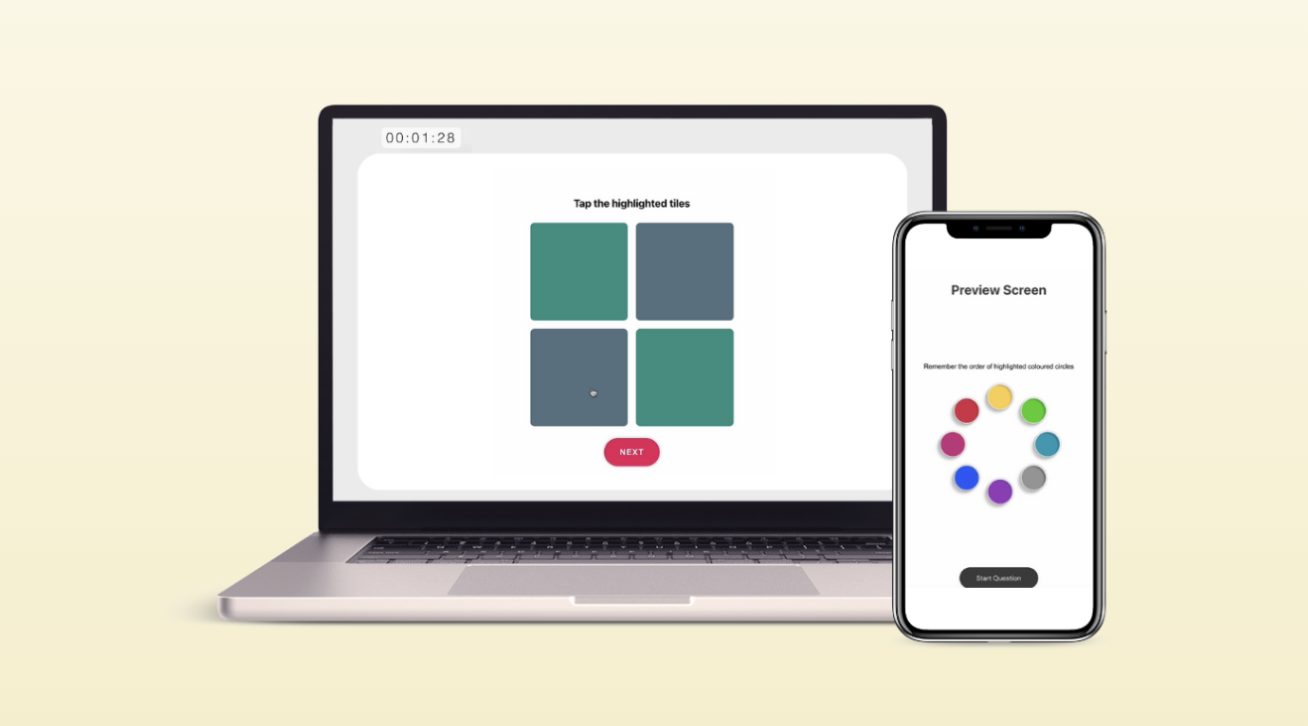
Sessions ran past 25 minutes, causing patient fatigue and task abandonment. Text-heavy instructions demanded high literacy; users hesitated, misread steps, or tapped through demos. Unclear transitions between previews and live tasks confused patients, pulled in staff for constant clarification, and degraded the reliability of clinical data.
Rebuilding for clarity before polish
Clarity and speed drove every decision: simplified workflows, redundancies removed, plain-language instructions with visual aids, standardized interactions across screens, and transition cues (countdowns and previews) so patients always knew whether they were practicing or being tested.
Discover, define, develop, deliver — three cycles with real patients
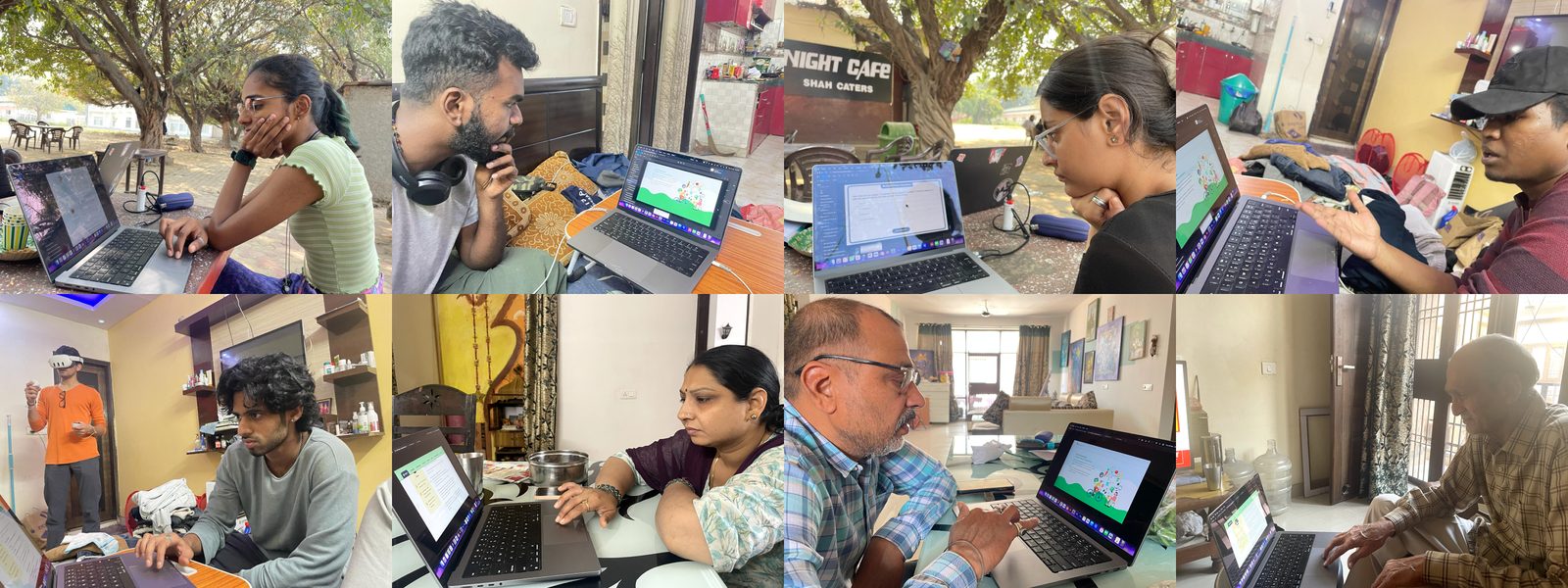
- Discover: clinician and patient interviews surfaced length, literacy, and comprehension issues across diverse patient populations
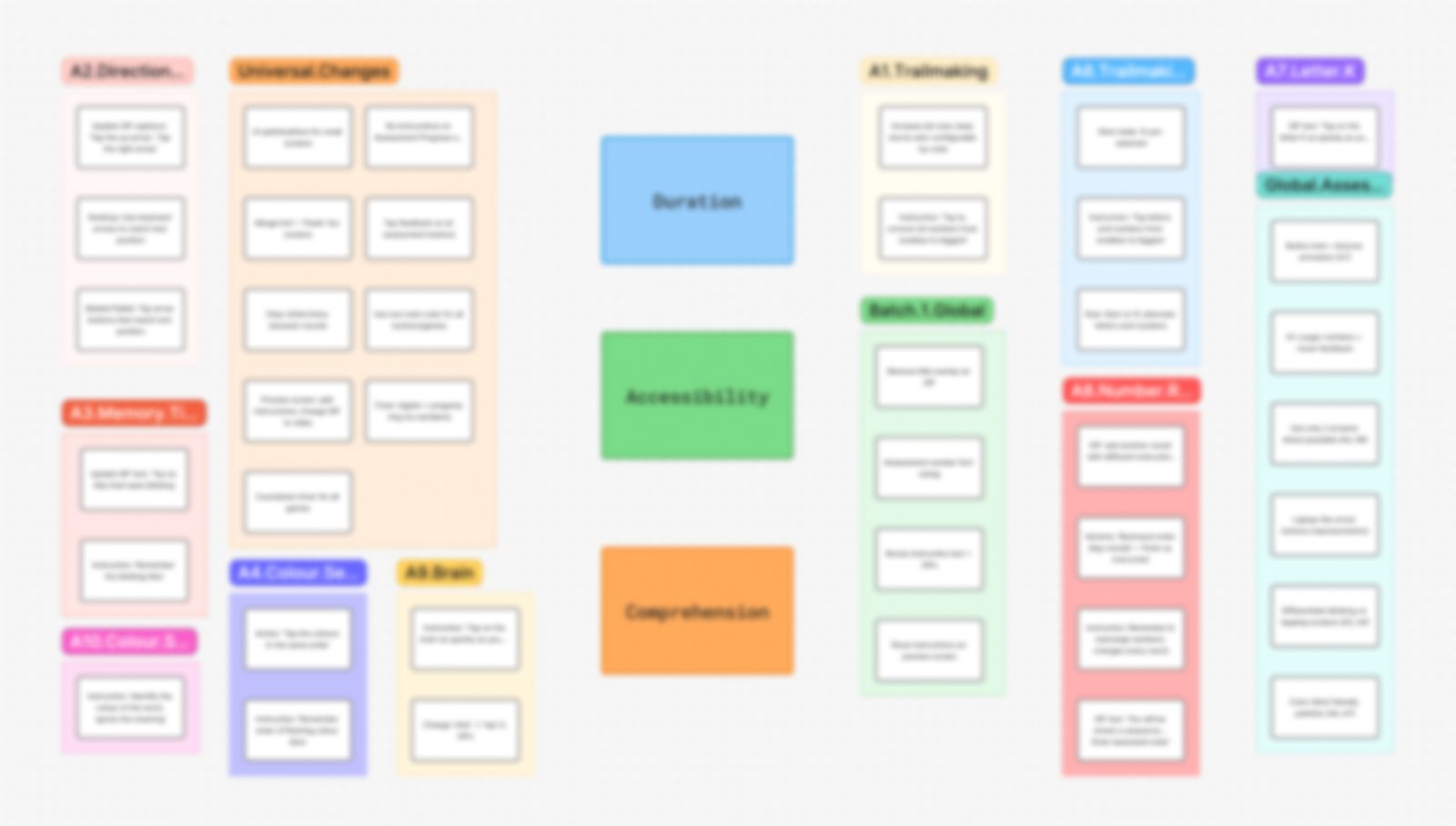
- Define: affinity mapping clustered feedback into three themes: Duration, Accessibility, Comprehension; goal set at ≥25% session-time reduction
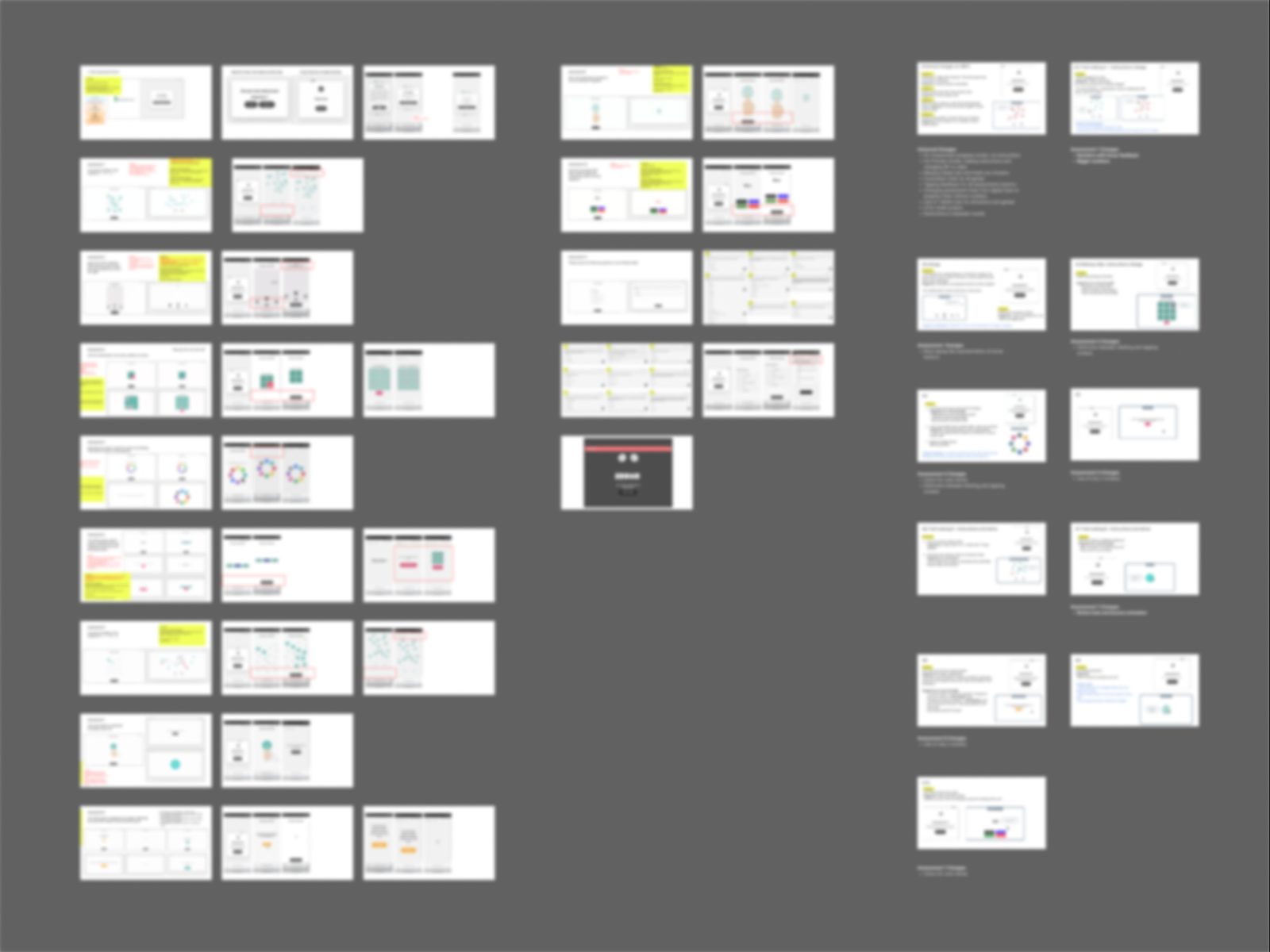
- Develop: three prototype iteration cycles (v1 → v3), each tested with older adults and clinicians
- Deliver: a documented design system (typography, components, states, contrast rules) and full screen specs, with close engineering partnership through implementation
Outcome
Version 3 shipped and is in use. Sessions run with fewer stops for clarification, the clinical workflow reads more cleanly, and the data comes back more reliably. Making the flow configurable rather than hard-coded also took the setup work out of every future variant — a new screening configuration is now a settings change, not a rebuild.